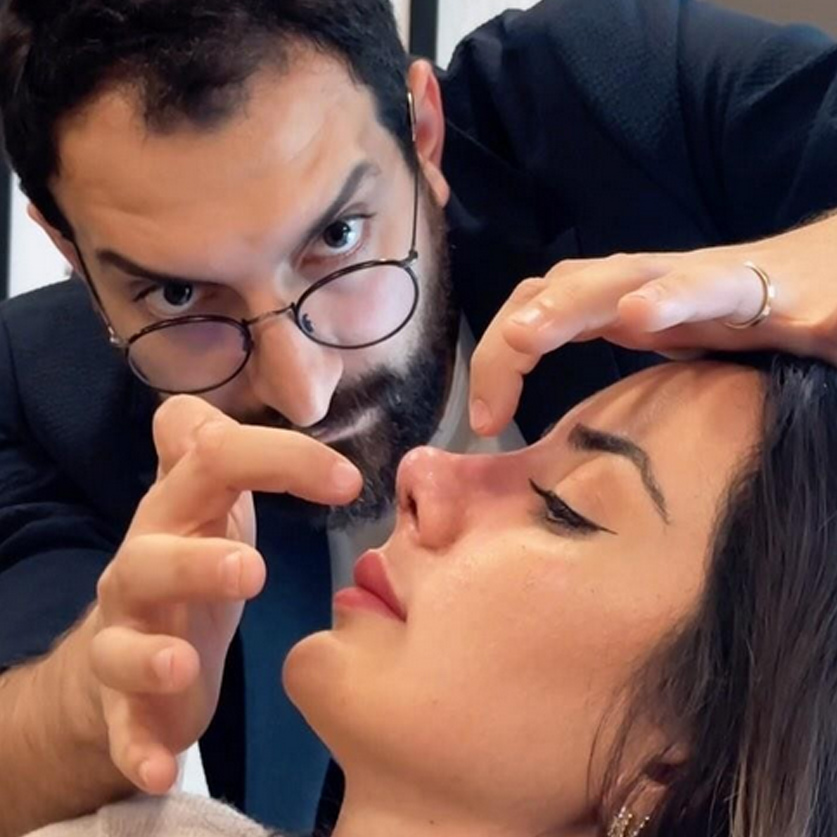
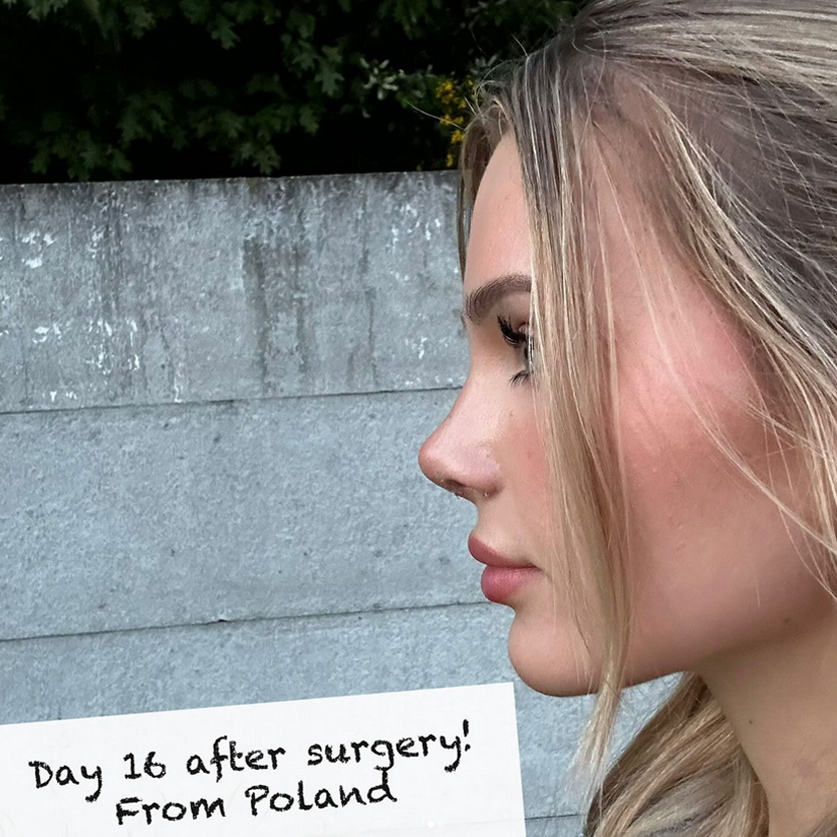
Your skin goes through a lot during facial surgery — especially after procedures like rhinoplasty. While much of the focus is on the internal healing process, your skin’s recovery plays a crucial role in how smooth, even, and beautiful the final result appears.

Here’s the often-overlooked truth: skin type and skin quality can greatly affect both healing and aesthetic outcomes.That’s why post-operative skin care should never be an afterthought — it’s part of the treatment.
1. Why Skin Quality Matters in Aesthetic Surgery
Every nose or face looks different not only because of bone structure — but because of the skin that covers it. Thick, oily skin may swell more and hide definition longer. Thin, dry skin might bruise more easily or need more moisture to regenerate.
Knowing your skin type helps your surgeon make the right technical decisions during surgery — and helps you take the right steps after it.
2. Cleansing and Moisturizing — Gently Does It
In the first few days after surgery, your skin is more fragile than usual. Use only the products your surgeon approves — no exfoliants, no acids, and definitely no scrubs. A gentle cleanser and a healing, non-comedogenic moisturizer are often enough to support the skin without irritating it.
3. Hydration Is Healing
Well-hydrated skin heals faster and scars less. Drink enough water daily, and avoid products that dry out your skin. For some patients, a hyaluronic acid serum (doctor-approved) can help maintain moisture levels in the deeper layers of the skin.
4. Sun Protection Is Non-Negotiable
UV exposure after surgery can lead to pigmentation, prolonged redness, and delayed healing. Always use a mineral-based SPF 30+ once your skin barrier is restored — even on cloudy days.
5. Support from Within
Your skin is an organ — and it reflects your inner health. Eating a balanced, antioxidant-rich diet and avoiding smoking or alcohol can accelerate healing and improve skin elasticity during recovery.
“I always tell my patients: great surgical technique gives structure — but healthy skin reveals the result. We adjust our surgical planning based on skin thickness and texture, and I personally recommend custom skincare routines after each procedure. Skin that’s cared for heals better, looks better, and ages better.”
❓Frequently Asked Questions
Q: Can I use my regular skincare products after surgery?
A: Not immediately. For at least the first 2–3 weeks, only use products approved by your doctor to avoid irritation or complications.
Q: How long should I protect my skin from the sun after surgery?
A: Ideally for at least 3 months — and make SPF part of your daily routine even after that.
Q: What if I have acne-prone or oily skin?
A: Your post-op routine will be tailored to your skin type. Healing regimens for oily or acne-prone skin differ from those with dry or sensitive skin — personalized care is essential.
Book a Consultation
It’s easy and free!